Essential oils for
Stress Relief
Aromatherapy is one of the most accessible ways to support the body's response to everyday stress.
17 oils recommended
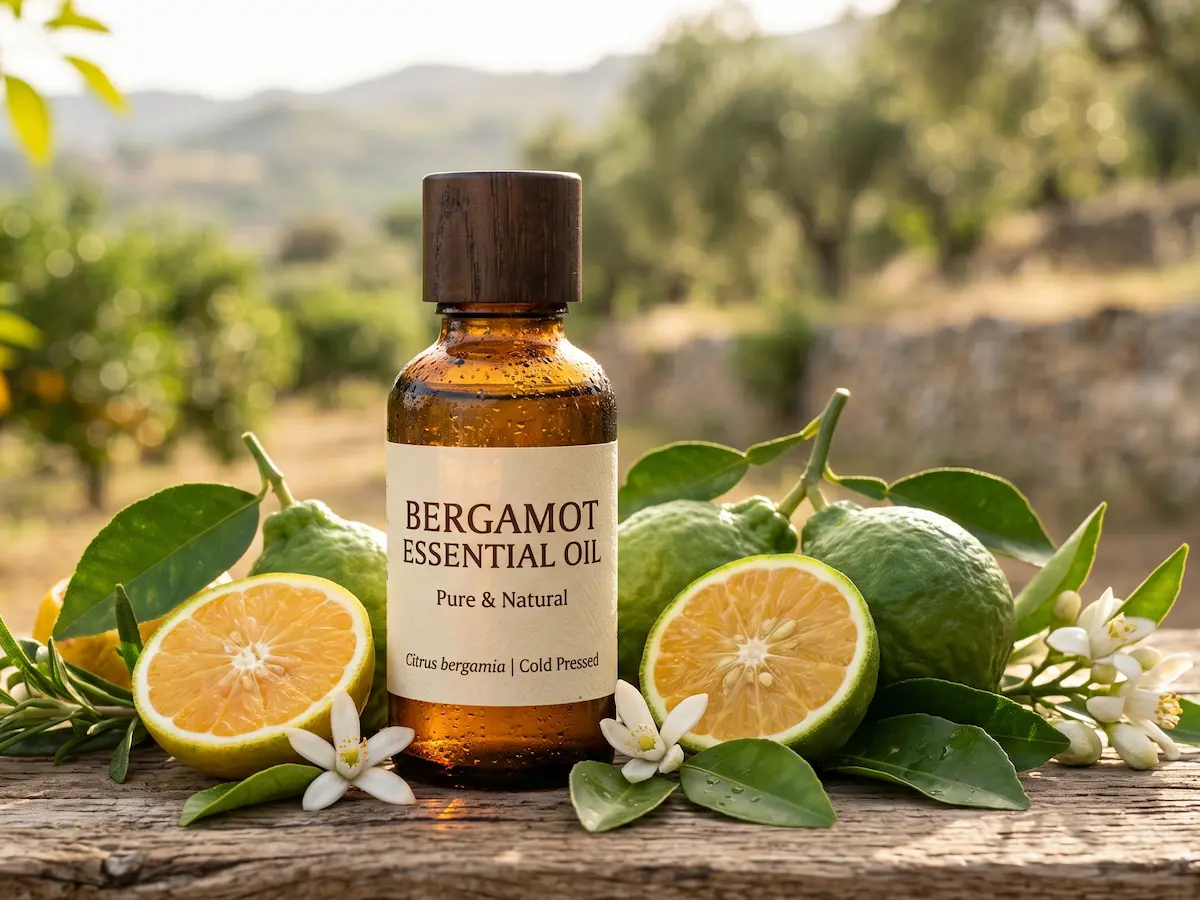
A bright citrus oil with floral undertones. Uplifting and calming, widely used for mood support and anxiety relief.
Warm, woody, and deeply grounding. Cedarwood is a go-to base note for sleep blends and meditation practice.
A calming herbal oil with euphoric qualities. Popular for stress relief, mood support, and relaxation blends.
A clean, woody conifer oil with strong circulatory and respiratory benefits. Often used for poor circulation, varicose veins, and congestion support.
A grounding, sacred resin oil with centuries of use in meditation and skin care. Rich, warm, and deeply calming.
A balancing floral oil with a rosy, herbal quality. Widely used for skin care, mood support, and hormonal balance.
A richly floral absolute with deeply romantic and uplifting qualities. One of the most prized aromatic materials in perfumery and emotional wellbeing blends.
A clean, piney wood oil with a crisp outdoor quality. Used for stress relief, detox blends, and meditative focus.
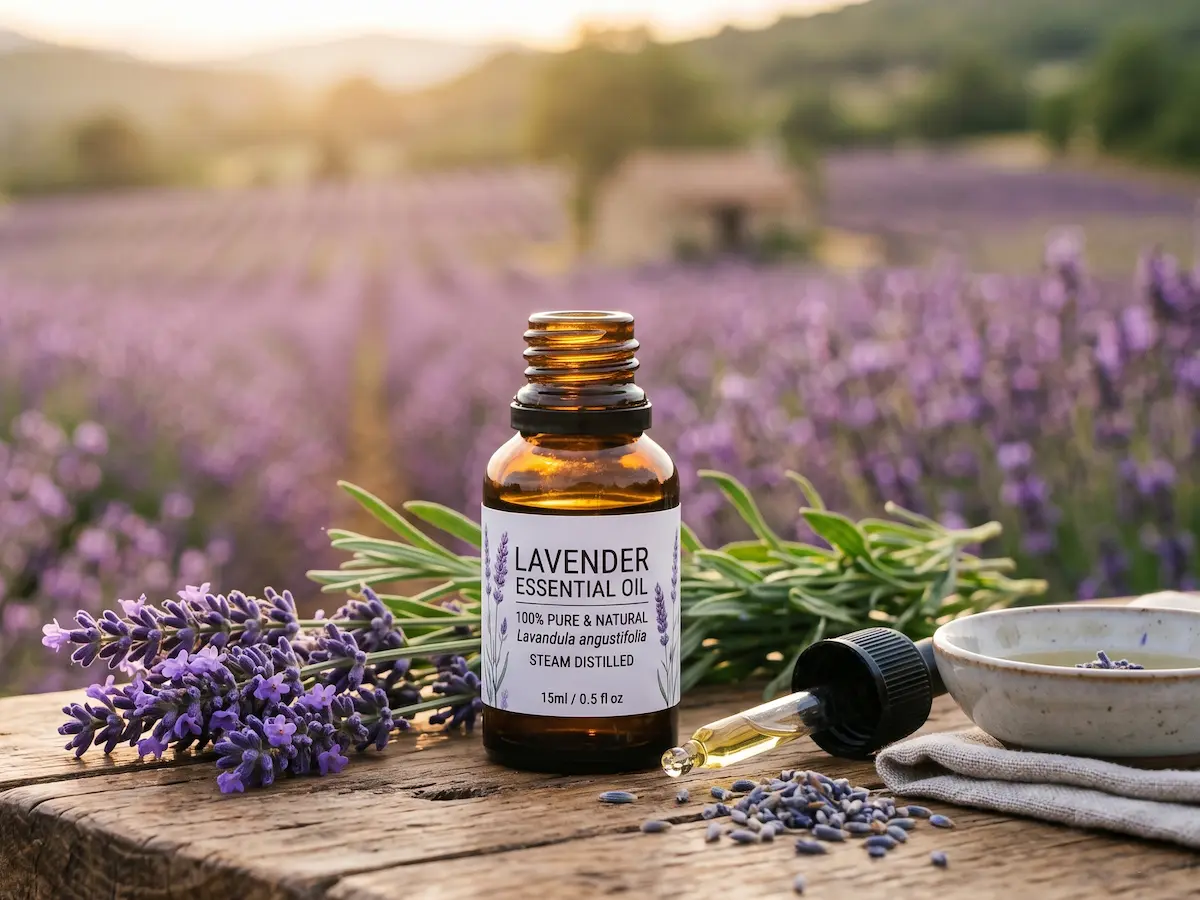
The most versatile essential oil. Calming, skin-healing, and one of the few oils safe to use diluted on most people.
Distilled from bitter orange blossoms, neroli has a delicate floral-citrus scent. Widely used for anxiety, skin regeneration, and as a perfumery ingredient.
A rich, earthy base note that improves with age. Grounding and sensual, with a long history in both perfumery and skin care.
A gentle, sweet floral oil known for its deeply calming effects. One of the safest oils for children and sensitive skin.
The most prized floral oil in perfumery. Deeply nurturing for skin and emotions, distilled from hundreds of hand-picked rose petals per millilitre.
A silky, warm wood oil revered for centuries in meditation and luxury perfumery. One of the finest base notes in aromatherapy.
A warm, sweet citrus oil with a cheerful, uplifting character. One of the safest and most beginner-friendly oils available.
A deep, smoky root oil known for profound grounding and calming effects. One of the best oils for anxiety and racing thoughts.
A rich, intensely floral oil with a reputation for romance and relaxation. Use sparingly — a little goes a long way.
Stress activates the body’s nervous system in ways that can be difficult to consciously switch off. Aromatherapy works by engaging the olfactory system — scent signals travel quickly to areas of the brain associated with emotion and stress response, which is why certain smells can shift your mood within moments of inhaling them.
Lavender and bergamot are the oils most associated with stress relief. Both have been studied for their potential effects on anxiety and emotional wellbeing. Frankincense has a slower, more meditative quality that suits evening use or moments where you need to ground yourself rather than perk up. Ylang ylang is intensely floral and is often included in calming blends in small amounts.
How to use essential oils for stress relief
Diffusing is the most effective method for sustained stress relief. Add 4–6 drops to a diffuser and run it during stressful periods — while working, in the evenings, or during any activity where you want to stay calm.
Personal inhalers are a portable option. Add 10–15 drops to a blank inhaler stick and use it when you feel stress rising — in meetings, commuting, or anywhere diffusing isn’t practical.
Topical application — apply a diluted blend to your wrists, neck, or temples. The combination of scent and the physical act of applying the oil can reinforce a calming effect.
A simple stress blend: 3 drops lavender, 2 drops bergamot, 2 drops frankincense. Adjust to your preference — more bergamot for an uplifting effect, more frankincense if you want something more grounding.
Frequently asked questions
Which essential oils are best for stress relief?
Lavender, bergamot, and frankincense are the most commonly used oils for stress. Lavender and bergamot are good for daytime use; frankincense is often preferred in the evening for its grounding quality.
How quickly do essential oils work for stress?
Inhaled essential oils can have a near-immediate effect on mood through the olfactory system. The effect is short-lived, so diffusing or inhaling regularly throughout a stressful period is more effective than a single use.
Can I use essential oils at work for stress?
Yes — a personal inhaler or applying a diluted blend to your wrists are discreet options that work well in office settings without affecting others.
What is the best way to use essential oils for stress?
Diffusing during stressful periods, applying a diluted blend topically, or using a personal inhaler are all effective. Consistency matters more than method — regular use as part of a daily routine tends to work better than occasional use.