Essential oils for
Sleep
Essential oils are commonly used as part of a bedtime routine to promote relaxation and support a restful night's sleep.
5 oils recommended
Warm, woody, and deeply grounding. Cedarwood is a go-to base note for sleep blends and meditation practice.
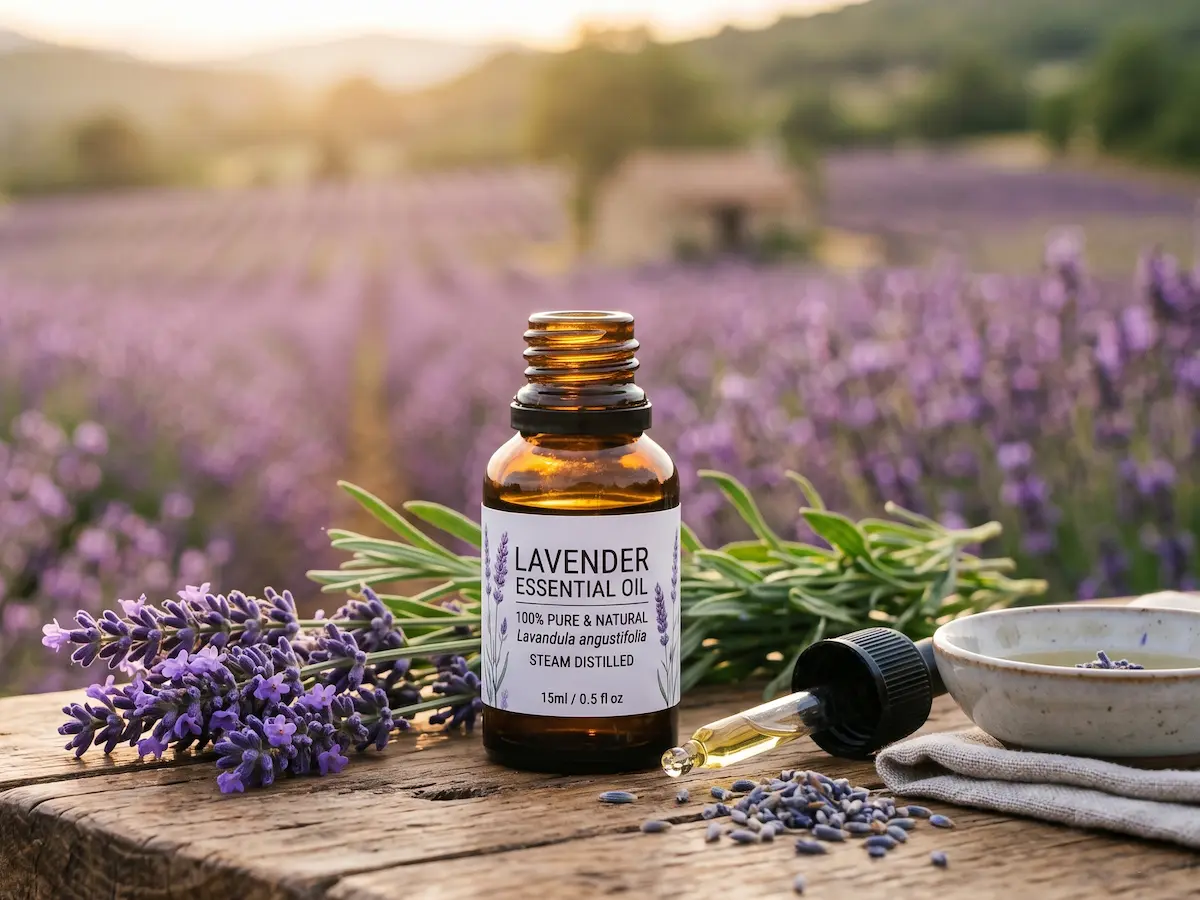
The most versatile essential oil. Calming, skin-healing, and one of the few oils safe to use diluted on most people.
A gentle, sweet floral oil known for its deeply calming effects. One of the safest oils for children and sensitive skin.
A silky, warm wood oil revered for centuries in meditation and luxury perfumery. One of the finest base notes in aromatherapy.
A deep, smoky root oil known for profound grounding and calming effects. One of the best oils for anxiety and racing thoughts.
Essential oils used for sleep work through scent. Aromatic compounds inhaled before bed may influence the nervous system and help the body wind down — lavender in particular has been studied for its potential to promote relaxation and ease anxiety, which are common barriers to sleep onset.
Cedarwood and vetiver are heavier, more grounding base notes often chosen by people who find their mind stays active at night. Roman chamomile is gentler and frequently mentioned for mild restlessness. These oils are often blended rather than used alone, with lavender providing the familiar floral note and the others adding depth and grounding.
How to use essential oils for sleep
Diffusing is the most common approach. Add 3–5 drops to a diffuser and run it for 30–60 minutes as you wind down before bed. Used consistently, the scent can become a reliable part of your sleep ritual.
Topical application — dilute 2–3 drops in a teaspoon of carrier oil such as jojoba or fractionated coconut oil, and apply to the wrists, feet, or back of the neck before bed.
Pillow drops — a single drop of lavender on the edge of your pillowcase is the simplest option and releases scent gently through the night.
A well-known sleep blend: 3 drops lavender, 2 drops cedarwood, 1 drop vetiver. The lavender and cedarwood provide the primary calming effect while vetiver adds an earthy base that many people find deeply grounding at night.
Frequently asked questions
Which essential oil is most commonly used for sleep?
Lavender is the most widely used oil for sleep. It is also among the most studied, with research suggesting it may help reduce anxiety and promote relaxation before bed.
How do you use essential oils for sleep?
The most common approach is diffusing 3–5 drops for 30–60 minutes before bed. Some people also apply a diluted blend to their wrists, the soles of their feet, or a drop on their pillowcase.
Is it safe to diffuse essential oils all night?
Most aromatherapists recommend against continuous overnight diffusion. Diffusing for 30–60 minutes before sleep is generally considered sufficient.
Can essential oils replace sleep medication?
No. Essential oils are not a treatment for insomnia or any sleep disorder. They may support relaxation as part of a bedtime routine, but persistent sleep issues should be discussed with a doctor.