Essential oils for
Anxiety
Several essential oils are used to help ease feelings of worry and anxious thoughts, particularly through inhalation and diffusion.
8 oils recommended
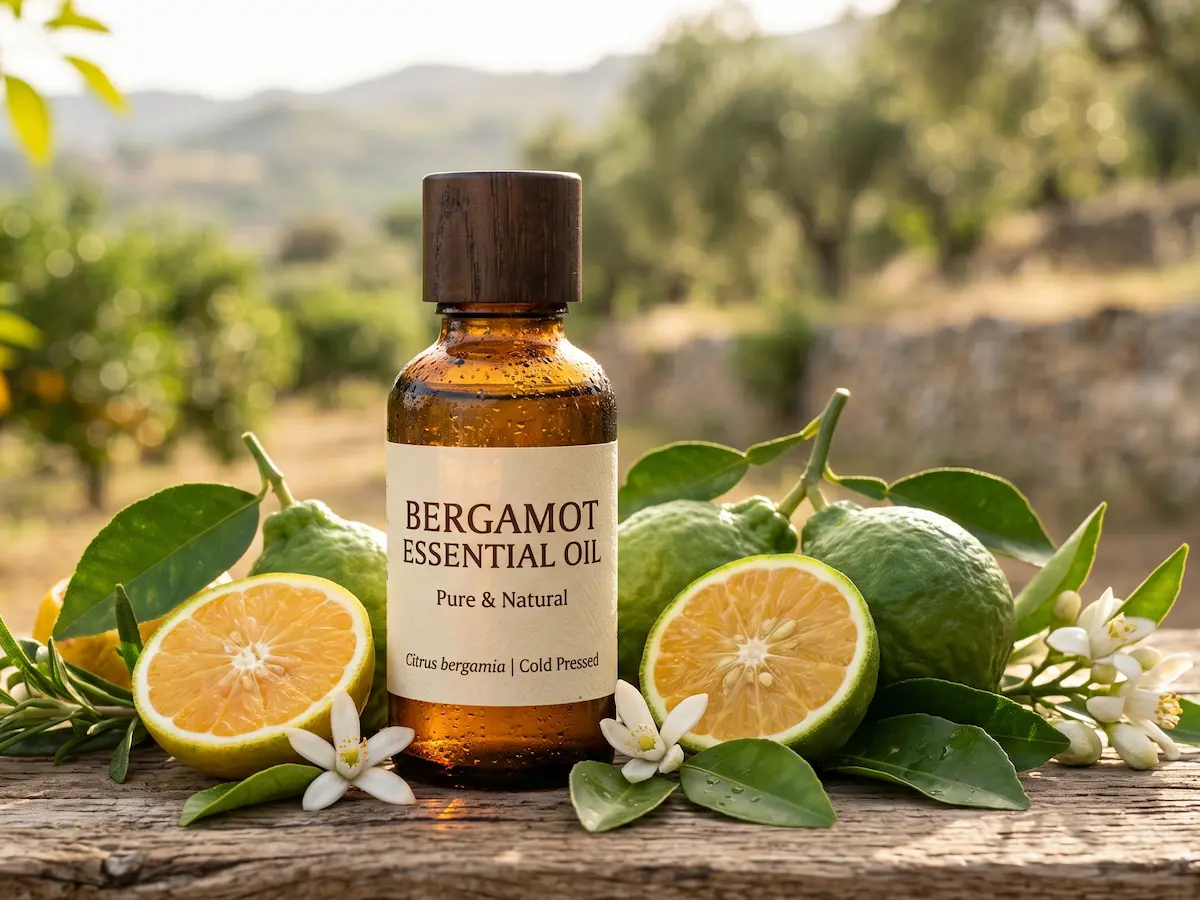
A bright citrus oil with floral undertones. Uplifting and calming, widely used for mood support and anxiety relief.
A calming herbal oil with euphoric qualities. Popular for stress relief, mood support, and relaxation blends.
A grounding, sacred resin oil with centuries of use in meditation and skin care. Rich, warm, and deeply calming.
Distilled from bitter orange blossoms, neroli has a delicate floral-citrus scent. Widely used for anxiety, skin regeneration, and as a perfumery ingredient.
A gentle, sweet floral oil known for its deeply calming effects. One of the safest oils for children and sensitive skin.
A warm, sweet citrus oil with a cheerful, uplifting character. One of the safest and most beginner-friendly oils available.
A deep, smoky root oil known for profound grounding and calming effects. One of the best oils for anxiety and racing thoughts.
A rich, intensely floral oil with a reputation for romance and relaxation. Use sparingly — a little goes a long way.
Anxiety involves both physical and psychological responses to perceived stress. Essential oils used for anxiety work primarily through the sense of smell — inhaled compounds may influence emotional centres in the brain and help shift the body’s state from activated to calmer.
Lavender is the most researched oil for anxiety-related use, with some studies exploring its potential to reduce situational anxiety. Bergamot has a bright, citrus-floral scent and is often used during the day when a grounding but non-sedating effect is needed. Clary sage is deeper and more herbaceous, and is sometimes chosen for anxiety with an emotional or hormonal component. Frankincense slows the breathing naturally and is often used in meditation or moments requiring calm focus.
How to use essential oils for anxiety
Inhalation is the fastest method. Hold the bottle a few centimetres from your nose and breathe slowly and deeply for 30–60 seconds. This is particularly useful during acute moments of anxiety.
Personal inhaler — a portable blank inhaler stick loaded with your preferred blend gives you on-demand access throughout the day without needing a diffuser.
Diffusing is useful for background, sustained support — during work, study, or any environment where you want to maintain a calmer baseline.
Slow breathing amplifies the effect of any method. Inhale for 4 counts, hold for 4, exhale for 6. The breathing technique itself reduces anxiety; the oils can reinforce the effect.
A commonly used anxiety blend: 3 drops lavender, 2 drops bergamot, 1 drop clary sage.
Frequently asked questions
Can essential oils help with anxiety?
Essential oils are not a treatment for anxiety disorders. However, some people find that certain oils — particularly lavender and bergamot — help reduce feelings of worry or tension in the moment when inhaled. They work best as a complementary support tool, not a replacement for professional care.
Which essential oil is best for anxiety?
Lavender is the most studied for anxiety-related use. Bergamot, clary sage, and frankincense are also widely used. The best oil is ultimately the one whose scent you find most calming.
How do you use essential oils for anxiety?
Inhaling directly from the bottle, using a personal inhaler, or diffusing are the fastest-acting methods. Topical application to the wrists or neck combined with slow breathing is also commonly used.
Are essential oils safe for anxiety alongside medication?
Generally yes, for topical or aromatic use. However, if you are taking medication for anxiety, check with your doctor — some oils may interact with certain medications when used in large amounts.