Essential oils for
Skin Care
Several essential oils are used in skin care for their potential antimicrobial, anti-inflammatory, and regenerative properties — always diluted in a carrier oil.
12 oils recommended
A gentle, high-beta-caryophyllene resin oil from the Amazon. Popular for inflammation support, pain relief, and as a grounding base note in blends.
A grounding, sacred resin oil with centuries of use in meditation and skin care. Rich, warm, and deeply calming.
A balancing floral oil with a rosy, herbal quality. Widely used for skin care, mood support, and hormonal balance.
A richly floral absolute with deeply romantic and uplifting qualities. One of the most prized aromatic materials in perfumery and emotional wellbeing blends.
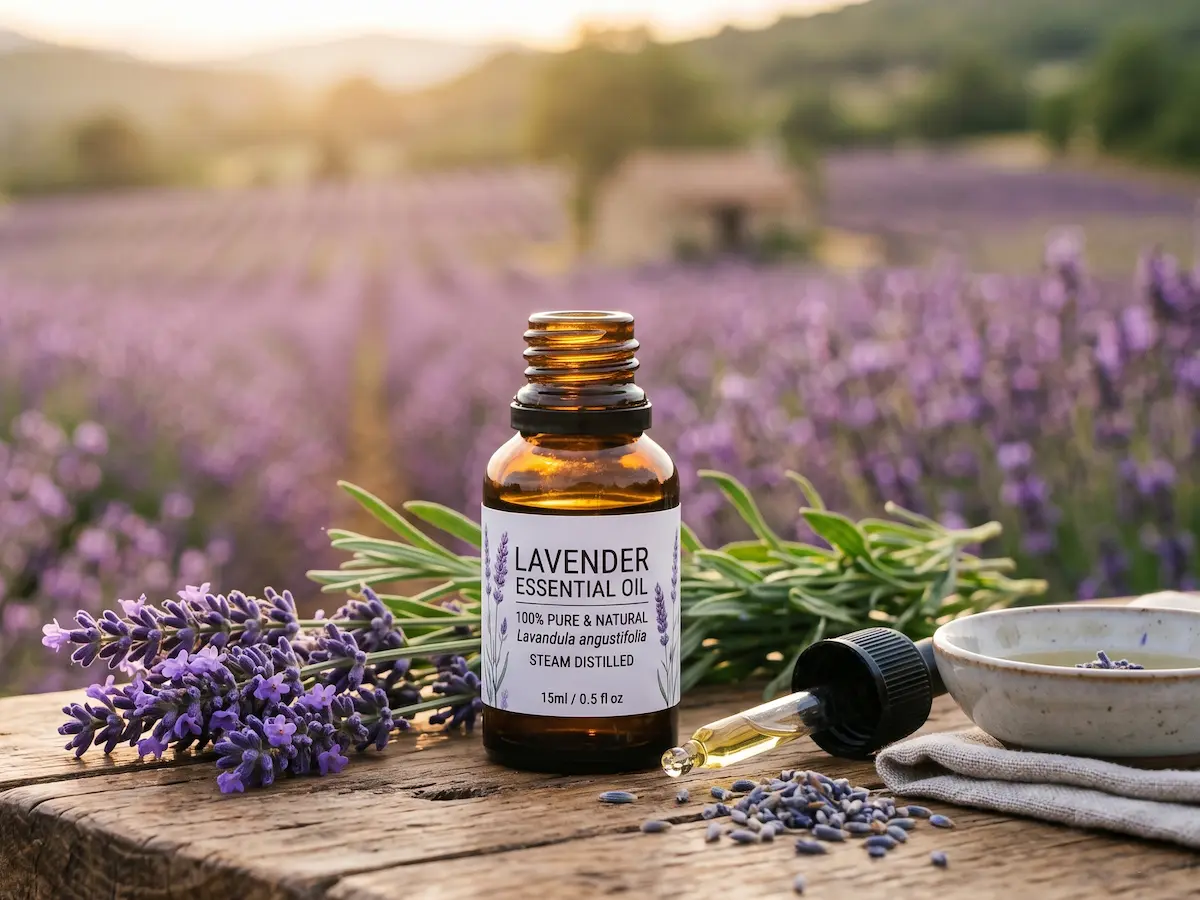
The most versatile essential oil. Calming, skin-healing, and one of the few oils safe to use diluted on most people.
A rich, ancient resin oil with deep roots in spiritual practice and healing. Used for skin care, oral health, meditation, and wound support.
Distilled from bitter orange blossoms, neroli has a delicate floral-citrus scent. Widely used for anxiety, skin regeneration, and as a perfumery ingredient.
A rich, earthy base note that improves with age. Grounding and sensual, with a long history in both perfumery and skin care.
A gentle, sweet floral oil known for its deeply calming effects. One of the safest oils for children and sensitive skin.
The most prized floral oil in perfumery. Deeply nurturing for skin and emotions, distilled from hundreds of hand-picked rose petals per millilitre.
A silky, warm wood oil revered for centuries in meditation and luxury perfumery. One of the finest base notes in aromatherapy.
A well-researched antimicrobial oil from Australia. Popular for skin concerns, cleansing blends, and immune support.
Essential oils have been used in skin care for centuries, and a number of them have properties that make them genuinely useful — antimicrobial oils for acne-prone skin, anti-inflammatory oils for redness, and oils thought to support cell renewal for aging skin. The key is always appropriate dilution and choosing oils suited to your specific skin type.
Tea tree is the most widely used oil for blemish-prone and oily skin, thanks to its strong antimicrobial properties. Lavender is valued for its gentleness and versatility — suitable for most skin types and particularly useful for irritated or sensitive skin. Frankincense is one of the more popular oils for mature skin, with a reputation for supporting skin tone and reducing the appearance of fine lines. Rose and neroli are both used for their potential regenerative properties and their compatibility with sensitive and aging skin.
How to use essential oils in skin care
Facial serum — add 3–6 drops of essential oil per tablespoon (15ml) of carrier oil for a 1–2% dilution. Apply a few drops to clean skin morning or evening. Jojoba or rosehip oil are good carrier choices for the face.
Spot treatment — tea tree can be applied more directly to individual blemishes. Dilute to at least 5% in a carrier oil and apply with a cotton bud. Do not apply undiluted.
Face steam — add 2–3 drops of lavender or tea tree to a bowl of just-boiled water. Drape a towel over your head and steam your face for 5–10 minutes. Opens pores and allows aromatic compounds to reach the skin.
Body moisturiser — add 8–10 drops to 30ml of unscented body lotion or carrier oil for a 1–2% dilution. Apply after bathing while skin is still slightly damp.
Always patch test any new essential oil blend on the inside of your arm before applying to the face.
Frequently asked questions
Which essential oil is best for skin?
It depends on your skin concern. Tea tree is most commonly used for acne and blemishes. Lavender is widely used for sensitive or irritated skin. Frankincense and rose are popular for anti-aging and skin regeneration. Geranium suits combination skin.
Can I apply essential oils directly to my skin?
No. Essential oils must always be diluted in a carrier oil before skin application — typically 1–3% dilution. Applying undiluted oils to skin risks irritation, sensitisation, or chemical burns.
What carrier oil is best for skin care?
Jojoba is the most versatile — it closely resembles the skin's natural sebum and suits most skin types. Rosehip is popular for anti-aging blends. Argan is good for dry or mature skin. Fractionated coconut oil is lightweight and absorbs quickly.
Are essential oils safe for sensitive skin?
Some are, at low dilutions. Lavender and roman chamomile are among the gentler options for sensitive skin. Always patch test a new oil before applying to the face, and start at a 1% dilution.