Essential oils for
Mood
Uplifting essential oils can help shift emotional state, support positive feelings, and create an environment that encourages wellbeing.
13 oils recommended
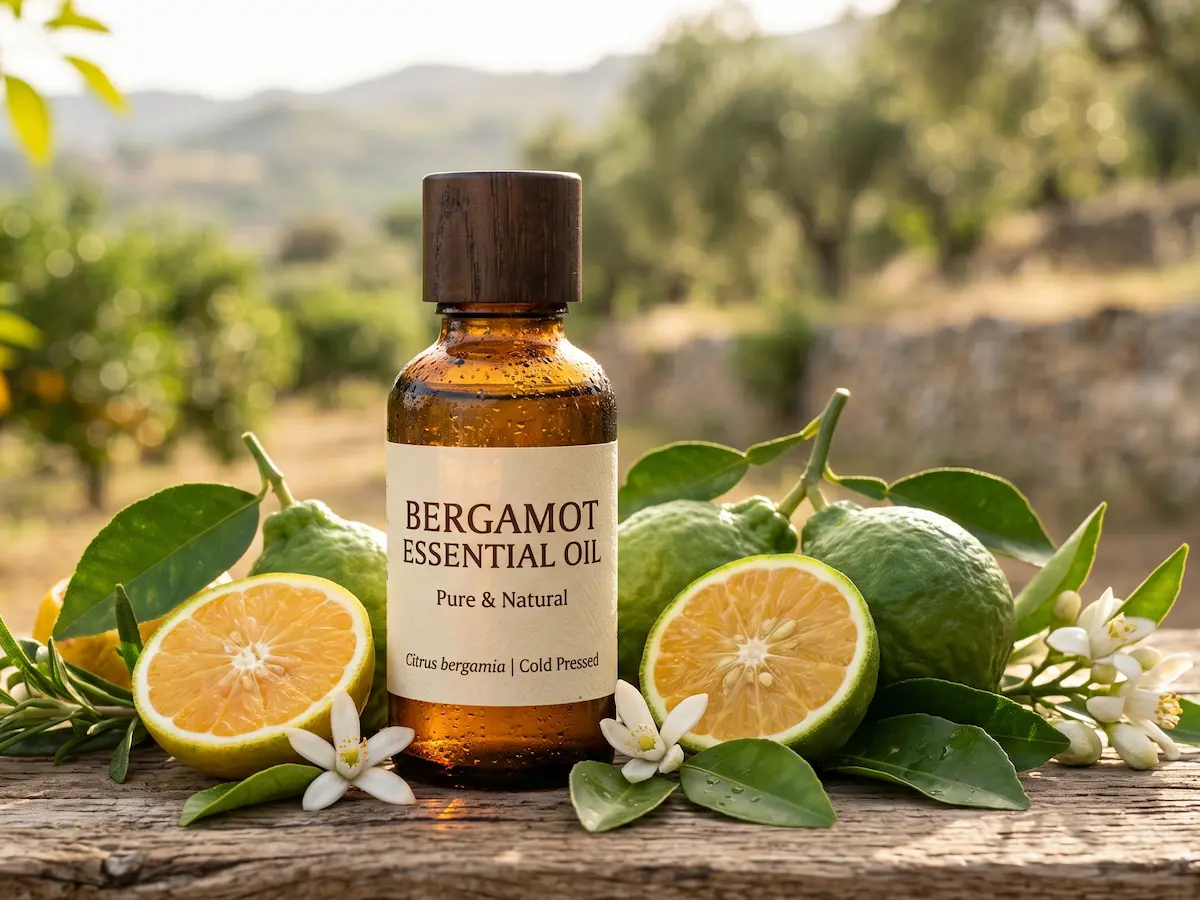
A bright citrus oil with floral undertones. Uplifting and calming, widely used for mood support and anxiety relief.
A warm, intensely spicy bark oil widely used in seasonal blends. One of the most sensitising oils — use at 0.1% maximum for any skin application.
A calming herbal oil with euphoric qualities. Popular for stress relief, mood support, and relaxation blends.
A balancing floral oil with a rosy, herbal quality. Widely used for skin care, mood support, and hormonal balance.
A bright, uplifting citrus oil cold-pressed from the peel. Popular for mood support, energy, and lymphatic blends. Photosensitive — avoid sun after use.
A richly floral absolute with deeply romantic and uplifting qualities. One of the most prized aromatic materials in perfumery and emotional wellbeing blends.
A bright, clean citrus oil that uplifts mood and sharpens focus. A household staple for diffusing and natural cleaning.
A sharp, vibrant citrus-herb oil that energises and uplifts. Also effective as a natural insect repellent.
A sharp, zesty citrus oil cold-pressed from lime peel. Uplifting and antimicrobial, used as a bright top note in blends. Photosensitive — avoid sun after use.
Distilled from bitter orange blossoms, neroli has a delicate floral-citrus scent. Widely used for anxiety, skin regeneration, and as a perfumery ingredient.
The most prized floral oil in perfumery. Deeply nurturing for skin and emotions, distilled from hundreds of hand-picked rose petals per millilitre.
A warm, sweet citrus oil with a cheerful, uplifting character. One of the safest and most beginner-friendly oils available.
A rich, intensely floral oil with a reputation for romance and relaxation. Use sparingly — a little goes a long way.
Mood and scent are more directly connected than most people realise. The olfactory system has a direct pathway to the limbic system — the part of the brain involved in emotion and memory — which is why certain smells can trigger strong emotional responses almost instantly. This is the mechanism behind using essential oils for mood support.
Citrus oils are the most reliably uplifting category. Bergamot sits between citrus and floral, with a complexity that many people find more emotionally resonant than a pure citrus oil. Sweet orange is warm, cheerful, and widely accessible. Ylang ylang is intensely sweet and floral with a balancing, slightly euphoric quality — best used in small amounts within a blend. Geranium has a rosy, herbaceous quality and is often described as emotionally balancing.
How to use essential oils for mood
Diffusing is the most effective and sustained method. Add 4–6 drops to your diffuser during your morning routine, workday, or any time you want to actively support a positive emotional environment.
Personal fragrance — dilute a mood blend in jojoba oil (3–5%) and apply to your wrists and neck as you would a perfume. The warmth of your skin carries the scent throughout the day.
Inhalation — for a quick mood shift, cup a few drops of bergamot or sweet orange in your palms, rub together, and breathe deeply for 30 seconds.
Room spray — combine 15–20 drops of your blend with water and a splash of alcohol or witch hazel in a spray bottle. Mist your space when you need a quick environmental reset.
A versatile mood blend: 3 drops bergamot, 2 drops sweet orange, 1 drop ylang ylang, 1 drop geranium.
Frequently asked questions
Which essential oils are best for lifting mood?
Citrus oils — bergamot, sweet orange, lemon, and grapefruit — are among the most reliably uplifting. Bergamot is particularly well-regarded for mood support. Ylang ylang and geranium are floral options with a balancing, positive effect.
How do you use essential oils for mood?
Diffusing is the most effective method for mood. Wearing a diluted blend as a personal fragrance is also popular — apply to the wrists and neck as you would a perfume.
Can essential oils help with low mood?
Essential oils are not a treatment for depression or any mood disorder. They can support positive feelings and create a more pleasant environment, but anyone experiencing persistent low mood should speak to a healthcare professional.
What is the most uplifting essential oil?
Bergamot is often cited as the most uplifting oil — it has a bright, citrus-floral quality and has been studied more than most for its potential effects on mood. Sweet orange is a close second and more affordable.