Essential oils for
Focus
Certain essential oils are used to support mental clarity and concentration, particularly during study, work, or tasks requiring sustained attention.
11 oils recommended
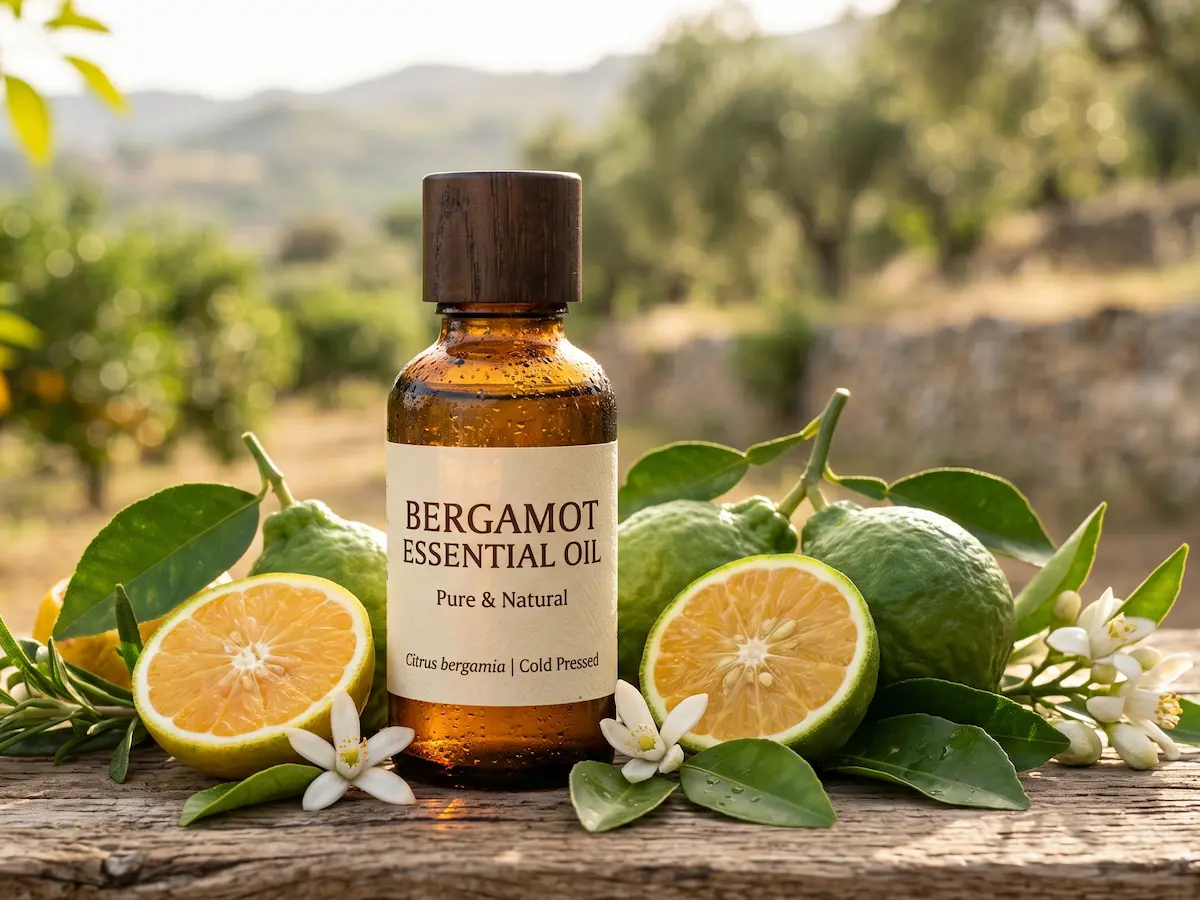
A bright citrus oil with floral undertones. Uplifting and calming, widely used for mood support and anxiety relief.
A warm, sweet-spicy oil from cardamom seeds. Used for digestive support, nausea, and as a comforting note in seasonal and warming blends.
Warm, woody, and deeply grounding. Cedarwood is a go-to base note for sleep blends and meditation practice.
A powerfully fresh, camphorous oil best known for respiratory support and clearing the airways. Energising and antimicrobial.
A clean, piney wood oil with a crisp outdoor quality. Used for stress relief, detox blends, and meditative focus.
A bright, clean citrus oil that uplifts mood and sharpens focus. A household staple for diffusing and natural cleaning.
A sharp, vibrant citrus-herb oil that energises and uplifts. Also effective as a natural insect repellent.
A sharp, zesty citrus oil cold-pressed from lime peel. Uplifting and antimicrobial, used as a bright top note in blends. Photosensitive — avoid sun after use.
A sharp, cooling oil with high menthol content. Widely used for focus, energy, headaches, and digestive comfort.
A herbal, stimulating oil that sharpens memory and focus. Also widely used in hair care routines for scalp health.
A sweeter, gentler alternative to peppermint. Good for focus, nausea, and digestion. More suitable for older children and those sensitive to high-menthol oils.
Essential oils associated with focus and mental clarity tend to come from the minty, herbal, and citrus scent families. These are stimulating rather than calming — they activate the senses and create a sense of mental sharpness rather than relaxation.
Rosemary has been studied more than most oils for cognitive effects, with some research exploring whether its scent may support memory retention and alertness. Peppermint is stimulating and cooling, and is frequently used for a quick mental boost or when fatigue is setting in. Lemon and other citrus oils provide a clean, uplifting quality that many people associate with clarity and productivity. Eucalyptus is slightly more medicinal and is often used alongside peppermint.
How to use essential oils for focus
Diffusing is ideal for sustained focus work. Add 3–5 drops to your diffuser and run it while working or studying. Avoid running it continuously — taking a 15-minute break from the scent can prevent olfactory fatigue.
Personal inhaler — a portable option for open offices or study spaces where diffusing isn’t practical. Inhale for a few seconds when you feel attention drifting.
Topical application — a small amount of diluted peppermint or rosemary applied to the temples or the back of the neck can provide a localised, stimulating effect.
A simple focus blend: 3 drops rosemary, 2 drops lemon, 1 drop peppermint. The rosemary provides the primary clarity note, lemon brightens the blend, and peppermint adds a sharp, invigorating edge.
Frequently asked questions
Which essential oil is best for focus?
Rosemary is the most studied for cognitive performance, with some research exploring its potential to support memory and mental clarity. Peppermint is widely used for an immediate alerting effect, and lemon is a popular choice for a clean, fresh mental boost.
How do you use essential oils for focus?
Diffusing while working or studying is the most common approach. You can also apply a diluted blend to your temples or wrists, or use a personal inhaler for on-demand use during tasks.
Can essential oils help with brain fog?
Some people find peppermint or rosemary helpful for mental fatigue and brain fog. These are not treatments for any medical condition, but may help create better conditions for mental clarity.
Are there essential oils to avoid when trying to focus?
Oils used for relaxation and sleep — like lavender, cedarwood, and vetiver — are generally not ideal for focus-oriented use as they tend to promote a calmer, more drowsy state.